Alina Schneider
Paper Mch Pumpkin Craft
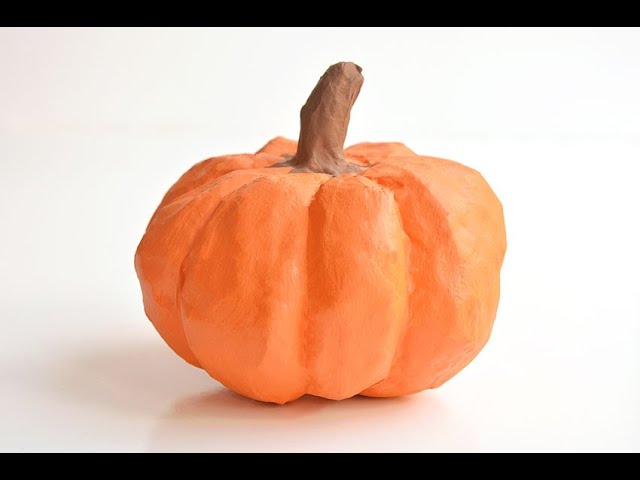
Paper mch is a fun and easy way to create a variety of crafts, including pumpkins. Paper mch pumpkins are a great way to decorate your home for Halloween or fall. They are also a great project for kids of all ages.
To make a paper mch pumpkin, you will need the following materials:
- Newspaper or other scrap paper
- White glue
- Water
- A balloon
- Orange paint
- Green paint
- Black paint
- A paintbrush
Instructions:
- Tear the newspaper or scrap paper into small pieces.
- In a large bowl, mix together the white glue and water. The ratio should be about 1:1.
- Dip the newspaper pieces into the glue mixture and then apply them to the balloon. Overlap the pieces to create a thick layer.
- Allow the paper mch to dry completely. This may take several hours or overnight.
- Once the paper mch is dry, pop the balloon.
- Paint the pumpkin orange. Allow the paint to dry completely.
- Paint the stem green. Allow the paint to dry completely.
- Use black paint to add details to the pumpkin, such as eyes, a nose, and a mouth.
Benefits of making paper mch pumpkins:
- Paper mch is a fun and easy way to create a variety of crafts.
- Paper mch pumpkins are a great way to decorate your home for Halloween or fall.
- Paper mch pumpkins are a great project for kids of all ages.
- Paper mch pumpkins are relatively inexpensive to make.
- Paper mch pumpkins can be customized to your liking.
Tips for making paper mch pumpkins:
- Use a large balloon to create a large pumpkin. Use a small balloon to create a small pumpkin.
- Apply several layers of paper mch to the balloon to create a thick and sturdy pumpkin.
- Allow the paper mch to dry completely before painting it. This will help to prevent the paint from peeling or chipping.
- Use different colors of paint to create a variety of pumpkins.
- Add details to your pumpkins with black paint, such as eyes, a nose, and a mouth.
Conclusion:
Paper mch pumpkins are a fun and easy way to decorate your home for Halloween or fall. They are also a great project for kids of all ages. With a little creativity, you can create a variety of unique and festive pumpkins.
Key Aspects of Paper Mache Pumpkin Craft
Paper mache pumpkin craft is a versatile and enjoyable activity that can be customized to suit various preferences and skill levels. Here are eight key aspects to consider when engaging in this craft:
- Materials: Newspaper, glue, water, paint, brush
- Technique: Layering paper strips dipped in glue
- Shape: Round, oval, or unique forms
- Size: Small, medium, or large pumpkins
- Colors: Traditional orange or variations like green, purple
- Details: Carved lines, painted features, embellishments
- Variations: Pumpkins with stems, leaves, or other additions
- Decor: Halloween, fall, or year-round display
These aspects interconnect to create a diverse range of paper mache pumpkins. The choice of materials and technique provides a foundation, while shape, size, and colors allow for personal expression. Details and variations add character and uniqueness, making each pumpkin a one-of-a-kind creation. Ultimately, the versatility of paper mache pumpkin craft empowers individuals to explore their creativity and craft decorations that align with their specific tastes and needs.
Materials
In the realm of paper mache pumpkin craft, the materials employed play a pivotal role in shaping the final outcome. Newspaper, glue, water, paint, and brush serve as the fundamental components that bring the creative vision to life.
Newspaper, with its malleable and absorbent nature, forms the structural foundation of the pumpkin. Layer upon layer, newspaper strips are meticulously adhered using a mixture of glue and water, creating a sturdy and lightweight base. This technique, passed down through generations of crafters, ensures the pumpkin’s durability and ability to withstand the rigors of shaping and painting.
The judicious application of paint transforms the humble newspaper base into a vibrant and lifelike pumpkin. The traditional choice of orange evokes the spirit of Halloween and autumn, while variations such as green, purple, or metallic hues add a personal touch. The brush, with its varying sizes and bristles, allows for both broad strokes and intricate details, enabling crafters to express their creativity and bring their pumpkin to life.
The significance of these materials extends beyond their practical purpose. They foster a sense of nostalgia and tradition, connecting crafters to the rich heritage of paper mache art. Moreover, the accessibility and affordability of these materials make paper mache pumpkin craft an inclusive activity, welcoming individuals of all ages and backgrounds to participate in the creative process.
In conclusion, the materials employed in paper mache pumpkin craft are not merely tools but integral elements that shape the character and charm of the finished product. Their harmonious interplay allows crafters to explore their creativity, celebrate tradition, and create unique and cherished decorations that embody the spirit of the season.
Technique
In the realm of paper mache pumpkin craft, the technique of layering paper strips dipped in glue serves as the cornerstone upon which these vibrant and charming decorations take shape. This time-honored method, passed down through generations of crafters, involves meticulously adhering newspaper strips to a form using a mixture of glue and water, creating a sturdy and lightweight base. The process, though seemingly simple, encompasses several key facets that contribute to the success and beauty of the final product:
- Foundation Building: The initial layers of paper strips, applied in a crisscross pattern, establish the pumpkin’s basic form and provide structural integrity. Each layer adds strength and stability, ensuring the pumpkin can withstand shaping and painting.
- Smooth Transitions: By carefully overlapping paper strips and smoothing out any wrinkles or air bubbles, crafters create a seamless and aesthetically pleasing surface. This attention to detail ensures the pumpkin’s contours are graceful and free from imperfections.
- Controlled Thickness: The number of layers applied determines the thickness of the pumpkin’s shell. Crafters can adjust the thickness based on the desired durability and weight of the finished product, ensuring it meets their specific requirements.
- Drying Time: Allowing ample time for each layer to dry thoroughly before applying the next is crucial. This ensures the glue adheres properly, preventing the pumpkin from becoming misshapen or weak.
The technique of layering paper strips dipped in glue is not merely a mechanical process; it is an art form that requires patience, precision, and a keen eye for detail. By mastering this technique, crafters can create paper mache pumpkins that are not only visually stunning but also durable enough to withstand the rigors of the season. These pumpkins become cherished decorations, imbued with the love and care that went into their creation.
Shape
In the realm of paper mache pumpkin craft, the shape of the pumpkin serves as a canvas upon which creativity and imagination take flight. The choice of round, oval, or unique forms not only determines the pumpkin’s overall appearance but also influences its structural integrity and decorative possibilities.
- Traditional Charm: The round shape is synonymous with the classic pumpkin, evoking images of autumn harvests and Halloween festivities. Its symmetrical curves and familiar form lend a sense of nostalgia and warmth to any dcor.
- Elongated Elegance: Oval pumpkins offer a graceful alternative to the traditional round shape. Their elongated form adds a touch of sophistication, making them ideal for elegant fall displays or as unique centerpieces.
- Unleashing Creativity: Beyond the traditional shapes, paper mache allows crafters to explore their creativity and craft pumpkins in unique and whimsical forms. From whimsical gourds to abstract sculptures, the possibilities are endless.
- Structural Considerations: The shape of the pumpkin also influences its structural stability. Round pumpkins, with their evenly distributed weight, are inherently more stable than oval or unique forms. Crafters must consider the shape and size of their pumpkin when determining the number of layers and thickness of paper mache required for durability.
The choice of shape in paper mache pumpkin craft extends beyond aesthetics, encompassing structural considerations and creative expression. By selecting the right shape, crafters can create pumpkins that not only delight the eye but also stand the test of time and showcase their unique artistic vision.
Size
In the realm of paper mache pumpkin craft, the size of the pumpkin plays a crucial role in determining the overall aesthetic, functionality, and creative possibilities. Whether petite, modest, or grand, each size offers unique advantages and considerations:
- Small Pumpkins: Mini marvels, small pumpkins are ideal for delicate decorations and intricate details. Their compact size allows for precise painting and embellishments, transforming them into charming accents for mantels, tabletops, or as part of larger displays.
- Medium Pumpkins: Versatile and well-balanced, medium pumpkins strike a harmonious balance between size and detail. They offer ample surface area for creative designs and can serve as standalone decorations or be incorporated into larger arrangements.
- Large Pumpkins: Statement pieces, large pumpkins command attention with their impressive presence. Their expansive surface invites bold designs, vibrant colors, and intricate carvings. These pumpkins are perfect for creating dramatic centerpieces or outdoor displays.
Beyond aesthetics, the size of the pumpkin also influences the structural considerations. Smaller pumpkins require fewer layers of paper mache and dry more quickly, making them suitable for crafters of all skill levels. Medium and large pumpkins, on the other hand, necessitate more materials and longer drying times, but their increased durability allows for more elaborate designs and heavier embellishments.
Ultimately, the choice of size in paper mache pumpkin craft is a matter of personal preference and the intended purpose of the creation. Whether small, medium, or large, each size offers unique opportunities for creativity and expression.
Colors
In the realm of paper mache pumpkin craft, the choice of colors, particularly the traditional orange and its variations like green and purple, holds significant importance, transcending mere aesthetics to encompass cultural symbolism and creative expression.
The traditional orange hue of pumpkins is deeply rooted in the autumnal harvest and Halloween festivities. Associated with warmth, joy, and abundance, this vibrant color evokes the essence of the fall season and brings a touch of cheer to any space. By adhering to this traditional color, crafters honor the heritage of the craft and create pumpkins that resonate with the spirit of the season.
Variations from the traditional orange, such as green and purple, introduce a touch of whimsy and creativity to paper mache pumpkin craft. Green pumpkins, reminiscent of unripe gourds, offer a unique and eye-catching alternative, while purple pumpkins exude an air of mystery and elegance. These variations allow crafters to express their individuality and explore different color schemes, creating pumpkins that stand out from the ordinary.
Beyond their aesthetic appeal, the colors used in paper mache pumpkin craft also play a practical role. Different colors can be used to create realistic details, such as the stem and leaves of a pumpkin, or to add decorative elements like stripes, polka dots, or intricate patterns. The choice of colors can also influence the overall mood and atmosphere of a display, creating a festive, spooky, or whimsical ambiance.
In conclusion, the connection between colors, particularly the traditional orange and its variations like green and purple, and paper mache pumpkin craft is multifaceted, encompassing cultural symbolism, creative expression, and practical considerations. By understanding this connection, crafters can make informed choices about the colors they use, creating pumpkins that not only delight the eye but also resonate with the spirit of the season and reflect their unique artistic vision.
Details
In the realm of paper mache pumpkin craft, details play a pivotal role in transforming ordinary pumpkins into works of art. Carved lines, painted features, and embellishments breathe life into these creations, adding depth, character, and a touch of whimsy.
-
Carved Lines:
Carving lines into the surface of a paper mache pumpkin creates a sense of texture and dimension. These lines can be simple or intricate, following traditional pumpkin carving patterns or free-form designs. Carved lines add a touch of realism to the pumpkin, mimicking the natural grooves and ridges found on real pumpkins.
-
Painted Features:
Painted features bring life and personality to paper mache pumpkins. Crafters can use a variety of paints and techniques to create realistic details, such as eyes, nose, and mouth. By adding these features, pumpkins are transformed from simple decorations into expressive characters that can evoke a range of emotions.
-
Embellishments:
Embellishments add the finishing touches to paper mache pumpkins, elevating them from ordinary to extraordinary. Crafters can use a variety of materials for embellishments, such as glitter, sequins, beads, fabric, and paint. By incorporating these elements, pumpkins gain a unique and personalized touch, reflecting the crafter’s creativity and style.
The combination of carved lines, painted features, and embellishments allows crafters to create paper mache pumpkins that are not only visually appealing but also full of character and charm. These details bring a touch of magic to the autumn season, transforming simple materials into cherished decorations that evoke the spirit of Halloween and fall.
Variations
In the realm of paper mache pumpkin craft, variations that incorporate stems, leaves, or other additions play a significant role in enhancing realism, adding character, and expanding creative possibilities.
Stems and leaves are essential elements that complete the illusion of a realistic pumpkin. By adding these features, crafters can create pumpkins that closely resemble their natural counterparts, evoking the charm and beauty of autumn. Stems provide a sturdy base for the pumpkin, while leaves add a touch of color and texture, bringing a sense of balance and harmony to the overall design.
Beyond traditional stems and leaves, crafters can explore a wide range of other additions to personalize their paper mache pumpkins. These additions can include vines, tendrils, flowers, or even miniature figurines. By incorporating these elements, crafters can create unique and whimsical pumpkins that reflect their individual styles and imaginations.
The practical significance of understanding the connection between variations and paper mache pumpkin craft lies in the ability to create visually appealing and realistic decorations. By incorporating stems, leaves, and other additions, crafters can elevate their pumpkins from simple crafts to works of art that can enhance the ambiance of any Halloween or fall display.
In conclusion, variations that include stems, leaves, or other additions are not merely embellishments but essential components that contribute to the overall character and charm of paper mache pumpkin craft. By embracing these variations, crafters can create pumpkins that are not only visually stunning but also full of personality and creativity.
Decor
Paper mache pumpkin craft finds its primary purpose in serving as a versatile and charming decor element, gracing homes and spaces during Halloween, fall, and even year-round. The connection between these decorative applications and the craft itself is multifaceted and significant.
During Halloween, paper mache pumpkins take on a spooky and festive character. Crafters delight in creating pumpkins with intricate carved lines, painted features, and embellishments, transforming them into unique and eye-catching decorations. These pumpkins evoke the spirit of the holiday, adding a touch of whimsy and enchantment to indoor and outdoor displays.
As fall approaches, paper mache pumpkins transition into symbols of the season’s beauty and abundance. Crafters incorporate warm autumnal colors, such as orange, yellow, and brown, into their designs. Pumpkins adorned with leaves, vines, and other natural elements bring the essence of the harvest indoors, creating a cozy and inviting atmosphere.
Beyond the traditional Halloween and fall associations, paper mache pumpkins have also gained popularity as year-round decorations. Their durability and versatility allow crafters to create pumpkins that complement various home styles and seasonal transitions. Painted in neutral colors or adorned with elegant embellishments, these pumpkins can add a touch of charm to any room, regardless of the time of year.
The practical significance of understanding this connection lies in the ability to create decorations that align with specific occasions and personal preferences. By considering the intended display context, crafters can tailor their designs to evoke the desired ambiance, whether it be spooky, festive, or simply warm and inviting.
In conclusion, the connection between “Decor: Halloween, fall, or year-round display” and “paper mache pumpkin craft” is vital in guiding the creative process and ensuring that these charming decorations fulfill their intended purpose. By embracing the versatility of paper mache pumpkins, crafters can create unique and meaningful pieces that enhance the beauty and ambiance of their surroundings throughout the year.
Paper mache pumpkin craft is a creative and versatile art form that involves creating pumpkins using paper strips and a mixture of glue and water. This technique allows for the creation of unique and personalized decorations that can be enjoyed during Halloween, fall, and even year-round.
The benefits of paper mache pumpkin craft extend beyond its decorative value. It is a fun and engaging activity that can be enjoyed by people of all ages, fostering creativity and imagination. Additionally, paper mache pumpkins are relatively inexpensive to make, making them an accessible craft for many. The historical context of paper mache pumpkin craft adds to its charm and significance. The technique has been used for centuries to create various objects, including decorative items and religious figures.
The main article topics that will be explored further include:
- Materials and techniques used in paper mache pumpkin craft
- Variations and embellishments that can enhance the creative process
- Historical and cultural significance of paper mache pumpkin craft
- Tips and tricks for creating successful paper mache pumpkins
FAQs about Paper Mache Pumpkin Craft
Paper mache pumpkin craft is a fun and rewarding activity, but it can also raise some questions. Here are answers to some frequently asked questions:
Question 1: What materials do I need to make a paper mache pumpkin?
To make a paper mache pumpkin, you will need newspaper or other scrap paper, white glue, water, a balloon, orange paint, green paint, black paint, and a paintbrush.
Question 2: How do I make a paper mache pumpkin?
To make a paper mache pumpkin, first inflate a balloon to the desired size of your pumpkin. Then, tear the newspaper or scrap paper into small pieces. Mix together the white glue and water in a large bowl. Dip the newspaper pieces into the glue mixture and then apply them to the balloon. Overlap the pieces to create a thick layer. Allow the paper mache to dry completely. Once the paper mache is dry, pop the balloon. Paint the pumpkin orange. Allow the paint to dry completely. Paint the stem green. Allow the paint to dry completely. Use black paint to add details to the pumpkin, such as eyes, a nose, and a mouth.
Question 3: Can I use other materials besides newspaper to make a paper mache pumpkin?
Yes, you can use other materials besides newspaper to make a paper mache pumpkin. Some other materials that you can use include paper towels, tissue paper, or even fabric.
Question 4: How long does it take for a paper mache pumpkin to dry?
The drying time for a paper mache pumpkin will vary depending on the thickness of the paper mache and the humidity of the environment. In general, it will take several hours or overnight for a paper mache pumpkin to dry completely.
Question 5: Can I paint my paper mache pumpkin any color I want?
Yes, you can paint your paper mache pumpkin any color you want. However, it is important to use acrylic paint, as latex paint will not adhere to the paper mache.
Question 6: Can I add embellishments to my paper mache pumpkin?
Yes, you can add embellishments to your paper mache pumpkin. Some popular embellishments include glitter, sequins, beads, and fabric. You can also use paint to add details to your pumpkin.
Summary: Paper mache pumpkin craft is a fun and easy way to decorate for Halloween or fall. With a little creativity, you can create a unique and festive pumpkin that will add a touch of charm to your home.
Next steps: Now that you know the basics of paper mache pumpkin craft, you can start creating your own pumpkins. Be sure to experiment with different materials and techniques to create a pumpkin that is unique and personal to you.
Conclusion
Paper mache pumpkin craft is a versatile and rewarding activity that has captured the hearts of crafters for generations. This article has explored the various aspects of paper mache pumpkin craft, from the materials and techniques used to the historical and cultural significance of this art form.
Whether you are a seasoned crafter or a curious beginner, we encourage you to embrace the magic of paper mache pumpkin craft. With a little creativity and dedication, you can create unique and enchanting decorations that will bring joy to your home during Halloween, fall, and beyond. So gather your materials, let your imagination soar, and experience the timeless charm of paper mache pumpkin craft.
Youtube Video: