Alina Schneider
A hand crafted coffee table represents a unique blend of artistry and functionality, transforming a simple piece of furniture into a statement piece. The creation process allows for personalized expression, resulting in a one-of-a-kind addition to any home. These tables offer a level of quality and craftsmanship often absent in mass-produced alternatives, reflecting the maker’s skill and attention to detail. From rustic reclaimed wood designs to sleek modern aesthetics, the possibilities are limitless, reflecting individual tastes and preferences. The inherent value and enduring appeal of a hand crafted coffee table make it a worthwhile investment.
The appeal of a hand crafted coffee table lies in its inherent uniqueness. Each piece is a testament to the craftsman’s skill and the time invested in its creation. Unlike mass-produced furniture, these tables often showcase distinctive wood grains, unique joinery techniques, and personalized finishes. This handcrafted nature imbues them with character and individuality, making them stand out from generic furniture pieces. The potential for customization is another significant advantage; dimensions, materials, and finish can be tailored to perfectly complement a specific dcor style or personal preference. The durability of a carefully constructed table also ensures it will be a cherished possession for many years to come. Moreover, investing in a hand crafted coffee table supports local artisans and sustainable practices.
The process of crafting these tables offers a rewarding experience, allowing for the exploration of various woodworking techniques and the application of creative design principles. From selecting the right wood to applying the final finish, each step contributes to the overall aesthetic and functional quality of the piece. The craftsmanship involved reflects a commitment to quality and attention to detail not commonly found in mass-produced furniture. The creation of a custom design often involves close collaboration between the artisan and client, ensuring the final product fully meets the intended purpose and aesthetic vision. This personalization enhances the overall appreciation and enjoyment of the finished piece.
Hand Crafted Coffee Table
This section outlines several project examples to guide the creation of a unique hand crafted coffee table. Each example demonstrates different techniques and materials, highlighting the versatility of this type of furniture. The projects range in complexity and time commitment, allowing for various skill levels to participate. Whether a beginner or experienced woodworker, these examples offer inspiration and practical guidance for embarking on a fulfilling woodworking endeavor. The focus is on creating a durable, visually appealing, and functional coffee table, customized to one’s personal preference. Remember to always prioritize safety and use appropriate tools and equipment.
Live Edge Slab Coffee Table
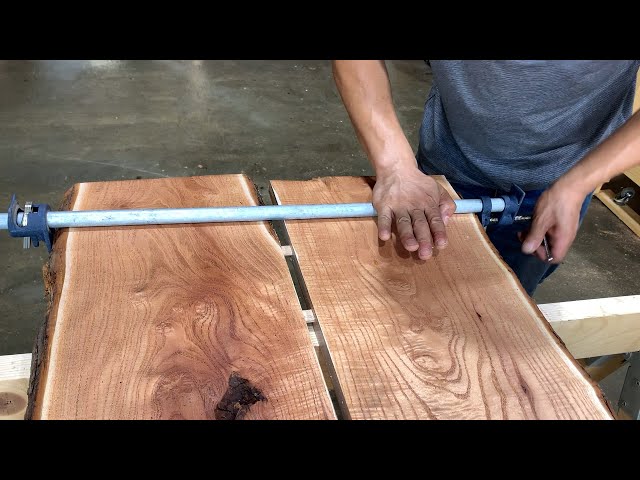
Estimated Time: 2-3 days. This project uses a single slab of live-edge wood for a rustic and natural look. The raw beauty of the wood is preserved, requiring minimal processing. The result is a unique and striking coffee table that adds character and warmth to any room.
- Select a suitable live-edge slab, ensuring its properly dried and free from defects.
- Plane and sand the slab to achieve the desired smoothness and finish.
- Attach metal hairpin legs or build custom wooden legs for support.
- Apply a protective finish, such as oil or varnish.
- Optional: Add epoxy resin to fill any cracks or voids for a unique aesthetic.
Reclaimed Wood Coffee Table
Estimated Time: 3-4 days. This project utilizes reclaimed wood, promoting sustainability and adding character through visible history and texture. It’s a perfect approach for environmentally conscious individuals. The resulting table adds rustic charm.
- Source reclaimed wood, ensuring its cleaned and treated for pests.
- Cut and shape the wood to create the desired table dimensions.
- Assemble the tabletop using appropriate joinery techniques.
- Construct a sturdy base using reclaimed wood or metal.
- Apply a suitable finish that complements the reclaimed woods character.
Modern Minimalist Coffee Table
Estimated Time: 1-2 days. This design emphasizes clean lines and simple geometry, perfect for contemporary interiors. This project focuses on precise cuts and sleek aesthetics.
- Select high-quality hardwood for a clean and modern look.
- Cut and assemble the tabletop using precise joinery.
- Create a simple and elegant base using metal legs or wood supports.
- Sand thoroughly to achieve a smooth surface.
- Apply a clear coat finish to showcase the woods natural beauty.
Creating a hand crafted coffee table provides an opportunity for self-expression and the production of a truly unique piece of furniture. The ability to select materials and personalize the design allows for complete customization. This project can range from a simple weekend undertaking to a more ambitious, longer-term endeavor. This hands-on experience results in more than just a coffee table; it is the embodiment of the maker’s creativity and skill.
The satisfaction derived from building a hand crafted coffee table extends beyond the finished product. The journey involves learning new skills, problem-solving, and exercising creativity. Each stage of the processfrom design and material selection to assembly and finishingcontributes to a sense of accomplishment. The final product becomes a source of pride, a reflection of ones abilities and personal aesthetic preferences.
Tips for Creating a Hand Crafted Coffee Table
This section offers practical advice and essential considerations for successfully crafting a coffee table. The tips cover various stages of the process, from initial design concepts and material selection to finishing and maintenance. These guidelines aim to ensure the creation of a functional, aesthetically pleasing, and long-lasting piece of furniture. Proper planning and attention to detail are critical for achieving optimal results.
Following these tips can significantly enhance the overall outcome and ensure the created piece is both visually appealing and durable. Remember that safety should always be the utmost priority. Careful planning and execution minimize the risk of accidents and injuries. The investment of time and effort in creating a hand crafted coffee table yields rewarding results, enhancing both the homes ambiance and the makers personal satisfaction.
-
Plan Your Design:
Before starting, meticulously plan the design, dimensions, and materials. Sketch multiple designs, consider the style of your home, and account for the available space. Reviewing your design multiple times before beginning ensures that adjustments can be made when necessary.
-
Choose Quality Materials:
Select durable and aesthetically pleasing materials. Consider wood type, grain, and finish. Ensure the wood is properly dried to prevent warping or cracking. The selection of materials greatly impacts the final product’s durability and aesthetic appeal.
-
Utilize Proper Tools:
Invest in or borrow high-quality tools to ensure accurate cuts and precise assembly. Safe operation of machinery is critical throughout the process. Proper tools can significantly improve the quality of the finished product and prevent accidents.
-
Practice Safe Work Habits:
Prioritize safety at every step. Wear appropriate safety gear, use tools correctly, and maintain a clean and organized workspace. Safety measures are crucial to prevent injuries during the creation process.
-
Apply Protective Finishes:
Apply appropriate finishes to protect the wood from damage and enhance its appearance. Choose a finish that suits the style and material of the table. Finishes not only enhance the aesthetics but also protect the wood from wear and tear.
The creation of a hand crafted coffee table involves a unique balance of creativity and precision. Careful consideration of the chosen materials and meticulous attention to detail during the construction phase are paramount. The final result is a testament to the makers skill and dedication, representing a significant personal achievement.
The process of building a hand crafted coffee table can be incredibly rewarding, providing a tangible outcome that reflects one’s effort, creativity, and design vision. It’s a testament to the value of handmade items in our increasingly mass-produced world.
Frequently Asked Questions About Hand Crafted Coffee Tables
This section addresses common questions regarding the design, construction, and maintenance of hand crafted coffee tables. These questions cover various aspects of the process, from initial design considerations to long-term care and maintenance. Understanding these facets will help ensure the table is both aesthetically pleasing and long-lasting.
What type of wood is best for a coffee table?
Hardwoods such as oak, maple, walnut, and cherry are popular choices due to their durability and aesthetic appeal. Softwoods like pine can also be used, but they may require more care and maintenance. The choice depends on the desired aesthetic and the level of durability required. Consider the intended style and environment when selecting the wood.
How do I finish my hand crafted coffee table?
Many finishes are available, including oil, varnish, polyurethane, and lacquer. Oil finishes provide a natural look and feel, while varnishes and polyurethanes offer greater protection. The choice depends on the desired level of protection and aesthetic. Test the finish on a scrap piece of wood first to ensure it’s compatible with your chosen material and desired outcome.
How much does it cost to make a hand crafted coffee table?
The cost varies significantly based on the materials used, the complexity of the design, and the time investment. Reclaimed wood can be less expensive than high-end hardwoods. Consider the cost of materials, tools (if purchasing new ones), and the value of your time. A well-planned budget is essential before beginning the project.
The unique character and lasting appeal of a hand crafted coffee table set it apart from mass-produced alternatives. This combination of artistry and functionality makes it a cherished piece of furniture that elevates any living space. The investment in a handmade piece pays off not just in its aesthetic value, but also in its durability and sentimental significance.
The satisfaction of owning and using a handcrafted coffee table is enhanced by the knowledge of its origin and the care taken in its creation. The personal touch and attention to detail in a hand-crafted piece elevate it beyond mere functionality, making it a true statement piece in any home.
Key Aspects of a Hand Crafted Coffee Table
Understanding the key aspects of a hand-crafted coffee table, from its design and materials to its construction and finish, is crucial for both creating and appreciating such a piece. These elements, working together, create a functional, aesthetically pleasing, and durable piece that adds value to any home. The holistic appreciation involves understanding the interplay between these crucial elements.
Design
The design encompasses the overall aesthetic, dimensions, and functionality. It reflects personal style and integrates seamlessly with the surrounding dcor. The initial design phase is critical, setting the parameters for the entire project. Well-considered design translates to a piece that perfectly suits its intended use and aesthetic vision.
Materials
Material selection impacts the table’s durability, aesthetic appeal, and cost. Consider the wood type, grain, and finish. The sustainability of the materials should also be a key consideration. The correct material choice ensures the longevity and appeal of the finished piece.
Construction
Construction techniques, including joinery, impact both the strength and the visual appeal. Precision and attention to detail are essential for a durable and beautiful table. Solid construction guarantees the longevity and stability of the table.
Finish
The finish protects the wood and enhances its beauty. Options range from natural oils to durable varnishes and polyurethanes. The finish selection contributes to the overall aesthetics and longevity of the piece. Proper finishing enhances both durability and aesthetics.
These key aspects are interconnected and contribute to the overall quality, aesthetics, and functionality of the finished product. Careful consideration of each ensures a beautiful and durable coffee table. Understanding these key elements allows for informed decision-making throughout the design and creation process.
The enduring appeal of a hand crafted coffee table stems from its uniqueness, quality, and the story it tells. It’s more than just furniture; it’s a piece of art, a testament to craftsmanship, and a reflection of personal style. Investing time and care in its creation yields a richly rewarding experience.
The meticulous craftsmanship and personalized design elements of a hand crafted coffee table contribute to its lasting value and appeal, making it a treasured addition to any home. These elements combine to create a piece of furniture that is both functional and beautiful.
In conclusion, the creation and appreciation of a hand crafted coffee table involves a multifaceted understanding of design, material selection, construction techniques, and finishing processes. The result is a unique and valuable addition to any home, reflecting both artistry and functionality.
Youtube Video: