Alina Schneider
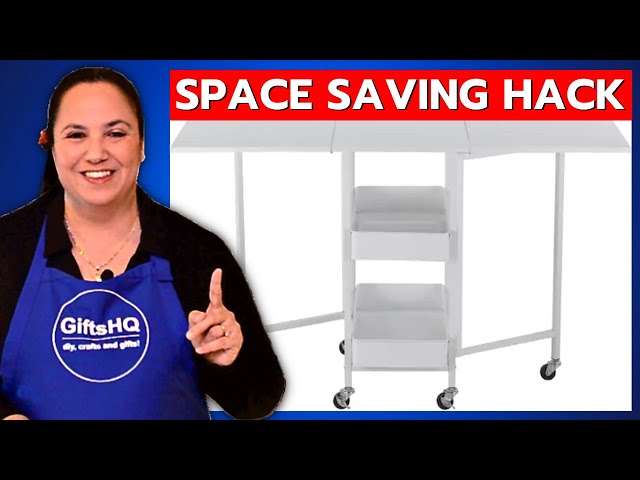
A DIY folding craft table offers a versatile and space-saving solution for crafters of all levels. This guide explores the construction of such a table, highlighting its benefits and providing examples of various craft projects ideally suited for its use. The creation of a DIY folding craft table allows for easy storage and portability, making it a practical addition to any crafting space.
The advantage of a DIY folding craft table lies in its customizability. One can tailor the dimensions and features to perfectly match their needs and preferences. Furthermore, building your own table can often prove more economical than purchasing a pre-made model, providing a cost-effective alternative. The process itself can be an enjoyable project, allowing crafters to further indulge in their passion for creation. This approach opens doors to integrating personal style and creative flair into the design.
Beyond its practicality and cost-effectiveness, creating a DIY folding craft table empowers the crafter with a greater understanding of the tools and techniques involved in woodworking or other construction methods. This knowledge can be valuable in future DIY projects. Finally, the satisfaction derived from building something functional and beautiful with one’s own hands is a significant reward in itself.
DIY Folding Craft Table Project Examples & Guidelines
This section details several craft projects that can be effectively undertaken using a DIY folding craft table, offering detailed guidelines for each. The projects are selected to represent a range of skill levels and craft types, demonstrating the versatility of this type of workspace.
Jewelry Making
Estimated time: 1-2 hours. Jewelry making benefits greatly from a well-organized workspace. A folding craft table allows you to set up your supplies and then easily store them away when finished.
- Gather your jewelry-making supplies (beads, wire, tools, etc.).
- Organize your supplies on the table in a way that allows for easy access.
- Begin creating your jewelry pieces.
- When finished, fold the table and store it.
- Clean up your workspace.
- Store your jewelry-making supplies in a designated area.
Card Making
Estimated time: 30 minutes – 1 hour. This project is ideal for using a folding craft table, due to the space needed to layout your materials.
- Gather your card-making supplies (cardstock, embellishments, tools etc.).
- Arrange your supplies on the table for easy access.
- Create your cards.
- Fold your cards and add embellishments.
- When finished, fold the table and store it.
- Clean up and store card making supplies.
Painting (Miniatures or Canvases)
Estimated time: 1-3 hours depending on the project size. A stable surface is crucial for painting, and the folding table offers stability and organization.
- Gather painting supplies (paints, brushes, canvases/miniatures).
- Set up your supplies on the table, keeping paints organized.
- Protect your table surface with a drop cloth or mat.
- Begin painting.
- Clean up your brushes and paints when finished.
- Fold the table and store it away.
The benefits of a readily available, easily stored craft table extend beyond just the projects themselves. It encourages a more organized crafting environment, leading to improved efficiency and reduced frustration. The portability adds to this, enabling crafters to easily change their work location whenever needed.
Furthermore, a dedicated crafting area, however compact, enhances the overall crafting experience. This dedicated space encourages focused creativity and helps foster a sense of calm and organization within the creative process, improving overall workflow.
Tips for Building Your DIY Folding Craft Table
Careful planning and execution significantly influence the final product. This section offers a number of essential tips for building a successful and functional table.
These tips focus on both the design and construction phases of the project, ensuring a strong and easily operable folding table.
-
Choose the Right Materials:
Select durable and lightweight materials like plywood or MDF for the tabletop and sturdy hinges for a long-lasting table. Consider the weight capacity needed for your craft projects when choosing materials. Properly treated wood will also ensure resistance to moisture and potential damage from spills.
-
Plan Your Dimensions Carefully:
Measure your crafting space and determine the ideal dimensions for your table. This ensures it fits comfortably without feeling cramped or overly large when folded. Account for the space needed for your various craft projects when deciding on dimensions. Consider also how the table will be stored when folded.
-
Use Strong Hinges:
High-quality hinges are essential for a smooth and reliable folding mechanism. Invest in robust hinges capable of withstanding the weight of the table and your craft supplies. Regular hinges may wear down quickly under heavy use; selecting the appropriate hinge is key to the table’s longevity.
-
Consider Adding Storage:
Incorporate shelves or drawers for storing your craft supplies, keeping everything neatly organized and readily accessible. This added functionality increases the table’s practicality and reduces clutter in the crafting area. The type of storage should suit both the volume of supplies and your personal preferences.
-
Sand Thoroughly:
Sanding the edges and surfaces of the table ensures a smooth finish, preventing splinters and improving the overall aesthetic appeal. This process enhances safety and creates a more professional look. Pay special attention to any exposed edges.
A well-constructed DIY folding craft table not only improves your crafting experience but can also add a unique element to your workspace. Paying attention to detail throughout the construction process is key to maximizing its functionality and aesthetic appeal.
The process of building the table provides an additional creative outlet, allowing for personalization and customization beyond just the crafts themselves. This builds a sense of accomplishment and pride in one’s handiwork.
Frequently Asked Questions About DIY Folding Craft Tables
This section addresses common queries regarding the construction and use of a DIY folding craft table.
What tools are necessary to build a folding craft table?
The tools needed depend on the design complexity. Basic tools include a saw, drill, screwdriver, measuring tape, sandpaper, and wood glue. More advanced designs might require a router, clamps, and other specialized woodworking tools. It’s essential to choose tools appropriate for the selected design and your skill level.
How much does it cost to build a DIY folding craft table?
The cost varies significantly depending on the materials selected and the design’s complexity. Using readily available and inexpensive materials can result in a cost-effective project, potentially significantly less expensive than purchasing a pre-made table. However, using high-end materials will increase the overall cost.
How long does it take to build a DIY folding craft table?
The construction time varies depending on the design complexity, individual skill level, and the available time to work on the project. Simple designs can be completed within a weekend, while more intricate projects may take several days or even weeks to construct. Prioritizing the planning stage can reduce construction time.
The decision to create a DIY folding craft table is an investment in both the craft itself and the crafting process. The time and effort invested result in a functional and adaptable addition to any crafting space, enhancing the enjoyment and productivity of creative pursuits.
Investing the time and effort into crafting a folding craft table enhances the crafting experience, transforming it from mere hobby to a more organized and satisfying creative pursuit. The flexibility and portability that such a table offers also enhances the overall process.
Key Aspects of a Successful DIY Folding Craft Table
Considering the noun nature of “table,” the focus shifts to the table’s attributes and functionality. A successful design necessitates careful consideration of several key components for optimal utility and durability.
Sturdiness
A robust table is essential to support various crafting materials and tools without wobbling or instability. This involves selecting appropriate materials and construction methods to ensure longevity and safety during use. A sturdy design can withstand the weight of projects and supplies without sagging or collapsing.
Portability
Easy folding and transport are crucial for a space-saving and adaptable design. Lightweight yet strong materials combined with a simple folding mechanism ensures the table’s convenient portability and storage. This allows crafters to adapt their workspace to different environments as required.
Work Surface Area
Sufficient surface area is necessary to accommodate all crafting supplies and projects comfortably. The size of the work area should consider the scale of craft projects undertaken, providing ample space for materials and tools. Careful dimensioning during design ensures this critical aspect.
Storage
Integrated storage solutions significantly improve organization and reduce clutter in the crafting space. Shelves, drawers, or compartments maximize storage capacity, making tools and materials readily accessible. Efficient storage complements the functionality of the table.
Aesthetics
The table’s visual appeal enhances the crafting environment. Consider the overall aesthetic and design, ensuring it complements the surrounding space. Choosing visually appealing materials and a pleasing finish improves the crafting experience.
These elements combine to form a holistic craft table, not just a functional piece of furniture, but an integral part of the crafting process itself.
The successful creation of a DIY folding craft table hinges on careful planning and execution, selecting durable materials, and incorporating efficient storage to maximize both functionality and aesthetic appeal. A well-designed table should seamlessly integrate into the crafting environment.
Ultimately, the crafting experience is elevated through the thoughtful integration of these key attributes. The final product reflects both practical functionality and a sense of personal accomplishment.
A well-designed and constructed DIY folding craft table is a testament to both craftsmanship and the joy of creating. Its versatility and adaptability make it an invaluable asset for crafters of all skill levels.
Youtube Video: