 Alina Schneider
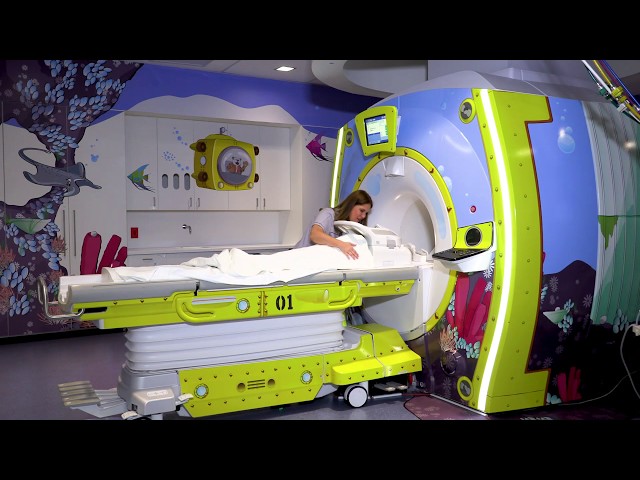
An MRI (magnetic resonance imaging) of a toddler is a non-invasive imaging test that uses magnetic fields and radio waves to create detailed pictures of the inside of the head. It is a safe and painless procedure that does not involve the use of radiation.
MRI scans are often used to diagnose and monitor a variety of conditions in toddlers, including brain tumors, developmental abnormalities, and injuries. They can also be used to evaluate the effects of treatment.
MRI scans are an important tool for diagnosing and managing a variety of medical conditions in toddlers. They are safe, painless, and provide detailed images of the inside of the head.
MRI of a Toddler
MRI (magnetic resonance imaging) of a toddler is a crucial imaging technique used to diagnose and monitor various medical conditions in young children. Here are eight key aspects of MRI of a toddler:
- Non-invasive
- Painless
- Radiation-free
- Detailed images
- Diagnosis of brain tumors
- Developmental abnormalities
- Evaluation of treatment
- Safe and effective
MRI scans are an essential tool for diagnosing and managing a variety of medical conditions in toddlers. They are safe, painless, and provide detailed images of the inside of the head. MRI scans can help doctors to diagnose and monitor conditions such as brain tumors, developmental abnormalities, and injuries. They can also be used to evaluate the effects of treatment.
Non-invasive
MRI scans are non-invasive, which means they do not involve any needles or injections. This is important for toddlers, who may be anxious or uncooperative during medical procedures. Non-invasive MRI scans also allow doctors to obtain detailed images of the inside of the head without causing any discomfort to the child.
The non-invasive nature of MRI scans makes them an ideal imaging technique for toddlers. It allows doctors to obtain detailed images of the inside of the head without causing any discomfort or pain to the child.
MRI scans are an important tool for diagnosing and managing a variety of medical conditions in toddlers. They are safe, painless, and provide detailed images of the inside of the head.
Painless
MRI scans are painless, which is especially important for toddlers who may be anxious or uncooperative during medical procedures. This is because MRI scans do not involve any needles or injections.
- Comfort for the child: Painless MRI scans ensure that toddlers do not experience any discomfort or pain during the procedure, making it less stressful for both the child and their parents.
- Cooperation during the scan: When a toddler is comfortable and pain-free, they are more likely to cooperate during the MRI scan, which helps to obtain clearer and more accurate images.
- Reduced need for sedation: In some cases, toddlers may need to be sedated for MRI scans. However, painless MRI scans can reduce the need for sedation, which can have potential side effects.
- Positive experience: A painless MRI scan can help to create a positive experience for toddlers, making them more likely to cooperate during future medical procedures.
Overall, the painless nature of MRI scans is a significant advantage for toddlers, as it helps to ensure their comfort, cooperation, and overall well-being during the procedure.
Radiation-free
MRI (magnetic resonance imaging) scans are radiation-free, which is a significant advantage for toddlers. Radiation exposure can be harmful to children, and it is especially important to avoid radiation exposure in young children whose bodies are still developing.
- No ionizing radiation: MRI scans do not use ionizing radiation, such as X-rays or CT scans. Ionizing radiation can damage cells and DNA, and it has been linked to an increased risk of cancer.
- Safe for repeated scans: Because MRI scans are radiation-free, they can be repeated as often as necessary to monitor a child’s condition without the risk of radiation exposure.
- Peace of mind for parents: Knowing that their child is not being exposed to radiation during an MRI scan can provide peace of mind for parents.
Overall, the radiation-free nature of MRI scans is a major advantage for toddlers. It helps to ensure their safety and well-being, and it allows doctors to obtain detailed images of the inside of the head without exposing the child to harmful radiation.
Detailed images
MRI (magnetic resonance imaging) scans of toddlers provide detailed images of the inside of the head. This is important because it allows doctors to diagnose and monitor a variety of medical conditions, including brain tumors, developmental abnormalities, and injuries. Detailed images also help doctors to evaluate the effects of treatment.
The detailed images obtained from MRI scans are crucial for accurate diagnosis and effective treatment planning. For example, in cases of brain tumors, MRI scans can help to the size, location, and type of tumor. This information is essential for determining the best course of treatment.
MRI scans are also useful for monitoring the progress of treatment. By comparing MRI scans taken before and after treatment, doctors can assess the effectiveness of the treatment and make any necessary adjustments.
The ability to obtain detailed images of the inside of the head without exposing the child to radiation makes MRI scans an invaluable tool for diagnosing and managing a variety of medical conditions in toddlers.
Diagnosis of brain tumors
MRI scans play a crucial role in the diagnosis of brain tumors in toddlers. Brain tumors are abnormal growths of cells in the brain, and they can occur in children of all ages. Symptoms of a brain tumor in a toddler may include headaches, seizures, vomiting, and changes in behavior.
MRI scans are essential for diagnosing brain tumors because they provide detailed images of the inside of the head. This allows doctors to see the size, location, and type of tumor. This information is crucial for determining the best course of treatment.
MRI scans are also used to monitor the progress of treatment. By comparing MRI scans taken before and after treatment, doctors can assess the effectiveness of the treatment and make any necessary adjustments.
Developmental abnormalities
MRI scans are also used to detect and monitor developmental abnormalities in toddlers. Developmental abnormalities are any physical or mental conditions that are present from birth or develop in the early years of life. They can affect any part of the body, including the brain.
- Structural abnormalities: These are abnormalities in the physical structure of the brain. They can include malformations of the brain’s ventricles (fluid-filled spaces) or cerebellum (the part of the brain responsible for coordination and balance).
- Functional abnormalities: These are abnormalities in the way the brain functions. They can include problems with language, memory, or attention.
- Metabolic abnormalities: These are abnormalities in the brain’s metabolism (the process by which the brain uses energy). They can include disorders such as mitochondrial diseases and lysosomal storage diseases.
- Genetic abnormalities: These are abnormalities in the genes that are responsible for brain development. They can include disorders such as Down syndrome and fragile X syndrome.
MRI scans can help to diagnose and monitor developmental abnormalities in toddlers by providing detailed images of the brain. This information can help doctors to determine the best course of treatment for the child.
Evaluation of treatment
MRI scans play a crucial role in the evaluation of treatment for a variety of medical conditions in toddlers. By comparing MRI scans taken before and after treatment, doctors can assess the effectiveness of the treatment and make any necessary adjustments.
- Monitoring tumor response: MRI scans are used to monitor the response of brain tumors to treatment. By comparing MRI scans taken before and after treatment, doctors can see if the tumor has shrunk or grown. This information can help doctors to determine if the treatment is working and whether any changes need to be made.
- Assessing developmental progress: MRI scans can also be used to assess the developmental progress of toddlers with developmental abnormalities. By comparing MRI scans taken at different time points, doctors can see if the child’s brain is developing normally. This information can help doctors to track the child’s progress and make any necessary adjustments to their treatment plan.
- Evaluating the effects of surgery: MRI scans can be used to evaluate the effects of surgery on the brain. By comparing MRI scans taken before and after surgery, doctors can see if the surgery was successful and whether there are any complications. This information can help doctors to make decisions about the child’s .
- Guiding rehabilitation: MRI scans can be used to guide rehabilitation efforts for toddlers with brain injuries. By comparing MRI scans taken at different time points, doctors can see how the child’s brain is recovering from the injury. This information can help doctors to develop a rehabilitation plan that is tailored to the child’s individual needs.
Overall, MRI scans are an essential tool for evaluating the effectiveness of treatment for a variety of medical conditions in toddlers. By providing detailed images of the inside of the head, MRI scans can help doctors to make informed decisions about the child’s treatment plan and to track the child’s progress over time.
Safe and effective
Magnetic resonance imaging (MRI) is a safe and effective imaging technique used to diagnose and monitor a variety of medical conditions in toddlers. MRI scans are non-invasive, painless, and radiation-free, making them an ideal imaging technique for young children.
- Non-invasive: MRI scans do not involve any needles or injections, making them a comfortable and stress-free experience for toddlers.
- Painless: MRI scans are painless, which is especially important for toddlers who may be anxious or uncooperative during medical procedures.
- Radiation-free: MRI scans do not use ionizing radiation, making them safe for repeated scans and reducing the risk of radiation exposure.
- Accurate and detailed: MRI scans provide detailed images of the inside of the head, helping doctors to diagnose and monitor a wide range of medical conditions in toddlers.
Overall, MRI scans are a safe and effective imaging technique for toddlers. They are non-invasive, painless, radiation-free, and provide detailed images of the inside of the head. This makes them an invaluable tool for diagnosing and managing a variety of medical conditions in young children.
FAQs about MRI of a Toddler
MRI (magnetic resonance imaging) is a safe and effective imaging technique used to diagnose and monitor a variety of medical conditions in toddlers. Here are answers to some frequently asked questions about MRI of a toddler:
Question 1: Is MRI safe for toddlers?
Yes, MRI is safe for toddlers. It is a non-invasive and radiation-free imaging technique, making it an ideal choice for young children.
Question 2: How long does an MRI scan take?
The length of an MRI scan depends on the specific type of scan being performed. However, most MRI scans for toddlers take between 30 and 60 minutes.
Question 3: Will my toddler need to be sedated for an MRI scan?
In most cases, toddlers do not need to be sedated for an MRI scan. However, if the toddler is very young or uncooperative, sedation may be necessary.
Question 4: What are the benefits of MRI for toddlers?
MRI scans provide detailed images of the inside of the head, which can help doctors to diagnose and monitor a variety of medical conditions in toddlers, including brain tumors, developmental abnormalities, and injuries.
Question 5: What are the risks of MRI for toddlers?
MRI scans are generally safe for toddlers, but there are some potential risks, such as allergic reactions to the contrast material used during the scan.
Question 6: How can I prepare my toddler for an MRI scan?
You can help to prepare your toddler for an MRI scan by explaining the procedure to them in simple terms. You can also bring a favorite toy or blanket to help them feel more comfortable during the scan.
Overall, MRI scans are a safe and effective way to diagnose and monitor a variety of medical conditions in toddlers. If your child’s doctor has recommended an MRI scan, it is important to talk to them about the procedure and any potential risks or benefits.
For more information about MRI of a toddler, please speak to your child’s doctor or visit a reputable medical website.
Tips for MRI of a Toddler
MRI (magnetic resonance imaging) is a safe and effective imaging technique used to diagnose and monitor a variety of medical conditions in toddlers. Here are some tips to help ensure a successful MRI scan for your child:
1. Talk to your child’s doctor
The first step is to talk to your child’s doctor about the MRI scan. They can explain the procedure to you and your child and answer any questions you may have.
2. Prepare your child for the scan
Once you have spoken to your child’s doctor, you can begin to prepare your child for the MRI scan. It is important to explain the procedure to your child in simple terms and to answer any questions they may have. You can also bring a favorite toy or blanket to help your child feel more comfortable during the scan.
3. Arrive on time for the scan
It is important to arrive on time for your child’s MRI scan. This will help to ensure that the scan can start on time and that your child does not have to wait.
4. Follow the instructions of the MRI technician
The MRI technician will give you instructions on how to prepare your child for the scan. It is important to follow these instructions carefully to ensure that the scan is successful.
5. Stay with your child during the scan
If possible, stay with your child during the MRI scan. This will help to keep them calm and comfortable.
6. Ask questions
If you have any questions or concerns during the MRI scan, do not hesitate to ask the MRI technician. They are there to help you and your child.By following these tips, you can help to ensure that your child’s MRI scan is a success.
MRI scans are an important tool for diagnosing and managing a variety of medical conditions in toddlers. By providing detailed images of the inside of the head, MRI scans can help doctors to make informed decisions about the child’s treatment plan and to track the child’s progress over time.
Conclusion
MRI (magnetic resonance imaging) is a safe and effective imaging technique used to diagnose and monitor a variety of medical conditions in toddlers. MRI scans provide detailed images of the inside of the head, which can help doctors to diagnose and monitor conditions such as brain tumors, developmental abnormalities, and injuries. MRI scans are non-invasive, painless, and radiation-free, making them an ideal imaging technique for young children.
MRI scans are an important tool for diagnosing and managing medical conditions in toddlers. They can help doctors to make informed decisions about the child’s treatment plan and to track the child’s progress over time. If your child’s doctor has recommended an MRI scan, it is important to talk to them about the procedure and any potential risks or benefits.
Youtube Video: