Alina Schneider
Arts and Crafts for Valentine’s Day
Valentine’s Day is a special occasion to express love and affection. One thoughtful way to do this is by creating handmade crafts. Not only are these crafts unique and personal, but they are also a fun and creative way to celebrate the holiday.
There are many different types of Valentine’s Day crafts, such as cards, decorations, and gifts. Some popular examples include:
- Paper Heart Garland: Cut out hearts from construction paper and string them together to create a festive garland. You can use different colors of paper and add glitter or other embellishments to make your garland unique.
- Beaded Heart Suncatchers: Thread beads onto wire or string and form them into heart shapes. Attach the hearts to a suction cup and hang them in a window to catch the sunlight.
- Painted Heart Rocks: Paint rocks with acrylic paint and decorate them with hearts or other Valentine’s Day-themed designs. You can use these rocks as paperweights, doorstops, or garden decorations.
- Heartfelt Origami: Fold origami paper into heart shapes to create decorative pieces or gift tags. You can use different colors and patterns of paper to create unique and eye-catching hearts.
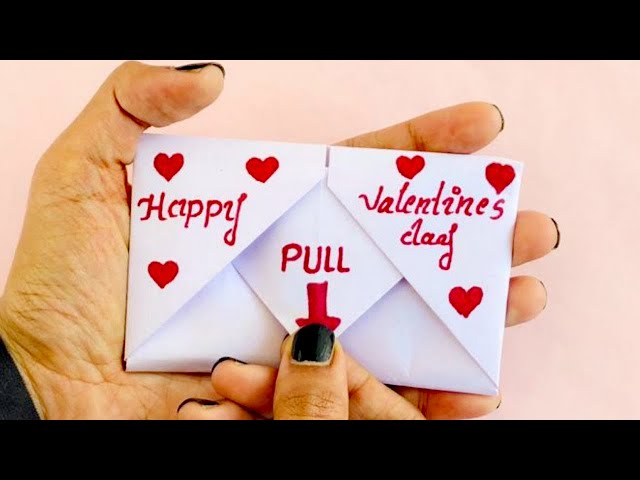
- Valentine’s Day Cards: Make handmade Valentine’s Day cards to express your love and appreciation for friends, family, and loved ones. Use construction paper, markers, stickers, and other embellishments to create unique and personal cards.
These are just a few examples of the many different types of Valentine’s Day crafts that you can make. With a little creativity and imagination, you can create unique and personal gifts that will be cherished for years to come.
In addition to being a fun and creative way to celebrate Valentine’s Day, arts and crafts can also provide several benefits:
- Stress relief: Engaging in creative activities can help to reduce stress and anxiety.
- Improved mood: Crafting can boost your mood and make you feel happy and relaxed.
- Increased self-esteem: Completing a craft project can give you a sense of accomplishment and boost your self-esteem.
- Social bonding: Crafting with friends or family can be a great way to bond and connect with others.
- Cognitive stimulation: Crafting can help to improve your cognitive function and keep your mind sharp.
If you are looking for a fun and meaningful way to celebrate Valentine’s Day, consider making some handmade crafts. With a little effort, you can create unique and personal gifts that will be cherished for years to come.
Tips for Making Valentine’s Day Crafts:
Tip 1: Plan ahead and gather all of your materials before you start crafting. This will help you to avoid any delays or frustrations.
Tip 2: Be creative and don’t be afraid to experiment. There are no rules when it comes to crafting.
Tip 3: Take your time and enjoy the process. Crafting should be a relaxing and enjoyable experience.
Tip 4: Don’t be afraid to make mistakes. Everyone makes mistakes when they are crafting. Just learn from your mistakes and keep trying.
Tip 5: Share your crafts with others. Handmade crafts make great gifts and can be a wonderful way to show your love and appreciation for others.
Conclusion
Arts and crafts are a fun and creative way to celebrate Valentine’s Day. With a little effort, you can create unique and personal gifts that will be cherished for years to come. So get creative and have fun!
Key Aspects of Arts and Crafts for Valentine’s Day
Arts and crafts for Valentine’s Day encompass various aspects that contribute to their significance and appeal. These key aspects, explored through the lens of the keyword’s part of speech, provide a comprehensive understanding of this creative expression:
- Artistic Expression: Valentine’s Day crafts serve as a medium for individuals to express their creativity and emotions through unique and handmade creations.
- Personal Touch: Handmade crafts add a personal touch to Valentine’s Day celebrations, conveying heartfelt sentiments and strengthening emotional connections.
- Diversity of Materials: Arts and crafts for Valentine’s Day utilize a wide range of materials, from traditional paper and paint to unconventional items like seashells and fabric scraps, fostering resourcefulness and innovation.
- Symbolic Meaning: Valentine’s Day crafts often incorporate symbolic elements, such as hearts, flowers, and cupids, adding layers of meaning and enhancing the romantic nature of the occasion.
- Stress Relief: Engaging in arts and crafts activities can provide stress relief and relaxation, offering a therapeutic outlet for individuals during the busy Valentine’s Day season.
- Educational Value: Crafting for Valentine’s Day can have educational benefits, promoting fine motor skills, problem-solving abilities, and an appreciation for aesthetics.
- Sentimental Value: Handmade Valentine’s Day crafts hold sentimental value, becoming cherished keepsakes that evoke fond memories and symbolize the love and care shared between individuals.
In essence, arts and crafts for Valentine’s Day encompass artistic expression, personal touch, diversity of materials, symbolic meaning, stress relief, educational value, and sentimental value. These aspects intertwine to create a unique and meaningful experience that celebrates love, creativity, and the spirit of the occasion.
Artistic Expression
Valentine’s Day crafts provide a unique platform for individuals to express their creativity and emotions, adding a personal touch to the celebration of love. These handmade creations serve as tangible expressions of affection and sentiment, fostering deeper emotional connections between individuals.
- Emotional Expression: Valentine’s Day crafts allow individuals to convey their emotions in a heartfelt and meaningful way. Through the choice of colors, materials, and designs, crafters can express love, joy, gratitude, and other emotions associated with the occasion.
- Personal Storytelling: Handmade crafts can become vessels for personal stories and memories. By incorporating meaningful symbols, images, or messages into their creations, individuals can share their unique perspectives and experiences, adding depth and significance to their Valentine’s Day gifts.
- Creative Exploration: Valentine’s Day crafts encourage individuals to explore their creativity and experiment with different materials and techniques. This process allows for self-expression, fostering a sense of accomplishment and pride in one’s creations.
- Therapeutic Benefits: Engaging in arts and crafts activities has been shown to have therapeutic benefits, reducing stress and promoting relaxation. The focus on creating something beautiful and meaningful can provide a sense of calm and tranquility, enhancing the overall well-being of individuals.
In conclusion, the artistic expression inherent in Valentine’s Day crafts adds a profound and personal dimension to the celebration of love. Through these handmade creations, individuals can express their emotions, share their stories, explore their creativity, and experience the therapeutic benefits of artistic expression.
Personal Touch
The personal touch inherent in handmade Valentine’s Day crafts is a key component that sets them apart from commercially produced gifts. When individuals put time and effort into creating something unique and meaningful, they are conveying a heartfelt sentiment that cannot be replicated by mass-produced items.
This personal touch strengthens emotional connections between individuals. A handmade gift demonstrates a level of care and consideration that is deeply appreciated and valued. It shows that the giver has taken the time to understand the recipient’s interests and preferences, creating a gift that is truly special and memorable.
For example, a handmade card with a heartfelt message can convey emotions more effectively than a store-bought card with generic wording. A knitted scarf or crocheted blanket made with love and care can provide warmth and comfort, along with a reminder of the giver’s affection.
The practical significance of understanding the connection between personal touch and Valentine’s Day crafts lies in the ability to create gifts that are truly meaningful and cherished. By incorporating personal touches into their creations, individuals can deepen their emotional connections with loved ones and create lasting memories.
In conclusion, the personal touch added by handmade crafts is a vital aspect of Valentine’s Day celebrations. It allows individuals to express their heartfelt sentiments, strengthen emotional connections, and create gifts that are truly unique and memorable.
Diversity of Materials
The diversity of materials used in Valentine’s Day crafts is a key aspect that contributes to their unique charm and versatility. This wide range of materials allows individuals to express their creativity in various ways and create projects that are tailored to their preferences and resources.
- Traditional Materials: Traditional materials such as paper, paint, markers, and glitter are commonly used in Valentine’s Day crafts. These materials are readily available and easy to work with, making them suitable for crafters of all ages and skill levels.
- Unconventional Materials: In addition to traditional materials, crafters often incorporate unconventional items into their Valentine’s Day creations. Seashells, fabric scraps, buttons, beads, and other found objects can add a unique and personal touch to handmade gifts.
- Natural Materials: Natural materials such as flowers, leaves, and twigs can bring a touch of nature to Valentine’s Day crafts. These materials can be used to create beautiful and eco-friendly decorations, cards, and other items.
- Recycled Materials: Using recycled materials in Valentine’s Day crafts is a great way to reduce waste and promote sustainability. Old newspapers, magazines, and cardboard can be transformed into charming and creative Valentine’s Day decorations.
The diversity of materials used in Valentine’s Day crafts encourages resourcefulness and innovation. Crafters are not limited to specific materials or techniques, allowing them to explore their creativity and come up with unique and original ideas. This freedom of expression fosters a sense of accomplishment and pride in one’s creations.
In conclusion, the diversity of materials used in Valentine’s Day crafts is a key aspect that contributes to their charm, versatility, and ability to foster resourcefulness and innovation. By incorporating a wide range of traditional, unconventional, natural, and recycled materials, crafters can create unique and meaningful handmade gifts that express their love and creativity.
Symbolic Meaning
The use of symbolic elements is a defining characteristic of Valentine’s Day crafts, adding layers of meaning and enhancing the romantic nature of the occasion. These symbols have deep-rooted connections to love, affection, and the expression of heartfelt sentiments.
The heart is the most iconic symbol of Valentine’s Day, representing love, romance, and passion. It is often featured in Valentine’s Day crafts, such as heart-shaped cards, decorations, and gifts. Flowers, particularly red roses, are another classic symbol of Valentine’s Day, conveying messages of love, beauty, and admiration.
Cupids, the mischievous cherubs from Roman mythology, are often depicted in Valentine’s Day crafts as symbols of love and desire. Their playful and affectionate nature adds a touch of whimsy and lightheartedness to the occasion.
The incorporation of these symbolic elements in Valentine’s Day crafts enhances their sentimental value and makes them more meaningful. Handmade cards adorned with hearts, flowers, and cupids convey heartfelt messages of love and affection, creating lasting memories for the recipient.
Understanding the symbolic meaning behind Valentine’s Day crafts is essential for appreciating their cultural significance and emotional impact. By incorporating these symbols into their creations, crafters can create unique and meaningful gifts that truly capture the spirit of the occasion.
In conclusion, the symbolic meaning inherent in Valentine’s Day crafts is a key aspect that elevates their significance and emotional value. The use of hearts, flowers, and cupids adds layers of meaning, enhancing the romantic nature of the occasion and creating cherished keepsakes that convey heartfelt sentiments.
Stress Relief
The connection between stress relief and arts and crafts for Valentine’s Day is significant and multifaceted. During the busy Valentine’s Day season, individuals may experience increased stress and anxiety due to societal pressures, gift-giving expectations, and the desire to create a memorable celebration.
Engaging in arts and crafts activities can provide a therapeutic outlet for these stressors. The act of creating something with one’s own hands can be calming and meditative, allowing individuals to focus on the present moment and let go of worries. The repetitive motions and tactile experiences involved in crafting can also promote relaxation and reduce feelings of stress.
For example, knitting a cozy scarf or painting a heartfelt card for a loved one can provide a sense of accomplishment and satisfaction, boosting mood and alleviating stress. The focus on creativity and self-expression can help individuals process their emotions and find inner peace.
The practical significance of understanding the connection between stress relief and arts and crafts for Valentine’s Day lies in its potential to promote well-being during a potentially stressful time. By incorporating crafting activities into their Valentine’s Day celebrations, individuals can not only create meaningful gifts but also engage in a self-care practice that reduces stress and enhances overall mood.
In conclusion, the therapeutic benefits of arts and crafts for Valentine’s Day are an important aspect to consider. Engaging in these activities can provide stress relief, promote relaxation, and offer a healthy outlet for emotions during the busy Valentine’s Day season.
Educational Value
Arts and crafts activities for Valentine’s Day offer not only a creative outlet but also a valuable educational experience. Engaging in these activities can contribute to the development of fine motor skills, problem-solving abilities, and an appreciation for aesthetics, particularly among young children.
Fine motor skills involve the coordination of small muscle movements, such as those used in cutting, pasting, and painting. Valentine’s Day crafts provide ample opportunities for children to practice these skills, as they manipulate materials, use tools, and create intricate designs. By refining their fine motor skills, children gain greater control and dexterity, which benefits their overall physical development and coordination.
Problem-solving abilities are also nurtured through Valentine’s Day crafts. Many crafting activities require children to think creatively and find solutions to challenges. For instance, they may need to figure out how to attach two pieces of paper together securely or how to use a specific material to achieve a desired effect. These experiences encourage children to develop their critical thinking skills and learn how to approach problems systematically.
Furthermore, Valentine’s Day crafts foster an appreciation for aesthetics. Children are exposed to different colors, textures, and shapes through these activities, which helps them develop a sense of beauty and harmony. By creating visually pleasing crafts, children learn about composition, balance, and color theory, which can lay the foundation for future artistic endeavors.
The practical significance of understanding the educational value of Valentine’s Day crafts lies in its potential to enhance children’s overall development. By incorporating crafting activities into their Valentine’s Day celebrations, parents and educators can provide children with a fun and engaging way to learn and grow.
In summary, the educational value of Valentine’s Day crafts is a crucial aspect to consider. These activities promote fine motor skills, problem-solving abilities, and an appreciation for aesthetics, contributing to children’s cognitive, physical, and emotional development.
Sentimental Value
Handmade Valentine’s Day crafts hold immense sentimental value, transcending their physical form to become cherished keepsakes that evoke fond memories and symbolize the love and care shared between individuals. This sentimental value stems from several key facets:
- Personal Touch: Handmade crafts add a personal touch to Valentine’s Day celebrations, conveying heartfelt sentiments and strengthening emotional connections. When individuals put time and effort into creating something unique and meaningful, they are conveying a level of care and consideration that cannot be replicated by mass-produced items.
- Emotional Expression: Valentine’s Day crafts allow individuals to express their emotions in a tangible and meaningful way. Through the choice of colors, materials, and designs, crafters can express love, joy, gratitude, and other emotions associated with the occasion.
- Symbolic Meaning: Valentine’s Day crafts often incorporate symbolic elements, such as hearts, flowers, and cupids, adding layers of meaning and enhancing the romantic nature of the occasion. These symbols represent love, affection, and the expression of heartfelt sentiments.
- Nostalgia and Memories: Handmade Valentine’s Day crafts can become cherished keepsakes that evoke fond memories and nostalgia. They serve as tangible reminders of special moments, loved ones, and the emotions associated with Valentine’s Day celebrations.
The sentimental value of handmade Valentine’s Day crafts is a testament to the power of human connection and the enduring nature of love. These cherished keepsakes not only bring joy to their recipients but also serve as reminders of the love, care, and emotions that went into their creation.
Arts and crafts for Valentine’s Day encompass a wide range of creative activities that celebrate love, affection, and the spirit of the occasion. These activities involve using various materials and techniques to create unique and personalized gifts, decorations, and keepsakes that express heartfelt sentiments and strengthen emotional connections.
The significance of arts and crafts for Valentine’s Day lies in their ability to convey emotions and messages in tangible and meaningful ways. Handmade crafts add a personal touch to the celebration, allowing individuals to express their creativity and share their love with others. Engaging in arts and crafts activities can also provide therapeutic benefits, reducing stress and promoting relaxation during the often busy and emotionally charged Valentine’s Day season.
Throughout history, arts and crafts have played an integral role in Valentine’s Day traditions. From the exchange of handwritten love letters to the creation of elaborate Valentine’s Day cards, handmade crafts have served as a timeless way to express affection and appreciation.
FAQs on Arts and Crafts for Valentine’s Day
Arts and crafts for Valentine’s Day offer a unique and meaningful way to express love and affection. However, there are some common questions and misconceptions surrounding these activities. This FAQ section aims to provide informative answers to help you navigate the world of Valentine’s Day crafts:
Question 1: What are some popular arts and crafts ideas for Valentine’s Day?
There are numerous creative ideas for Valentine’s Day crafts, including handmade cards, heart-shaped decorations, knitted or crocheted gifts, painted pottery, and personalized photo frames. You can explore online resources, craft books, or your own imagination to find inspiration.
Question 2: What materials are commonly used in Valentine’s Day crafts?
A wide range of materials can be used, such as paper, fabric, felt, yarn, paint, glitter, and beads. You can choose materials based on the specific craft you have in mind and your personal preferences.
Question 3: Are arts and crafts for Valentine’s Day only suitable for children?
Absolutely not! Arts and crafts for Valentine’s Day can be enjoyed by people of all ages. Whether you’re a seasoned crafter or a beginner, there are plenty of projects that can suit your skill level and interests.
Question 4: Is it necessary to be artistic to create Valentine’s Day crafts?
Artistic ability is not a prerequisite for Valentine’s Day crafts. These activities are about expressing your creativity and emotions, so don’t be afraid to experiment and have fun with the process.
Question 5: How can I make my Valentine’s Day crafts more personal?
Personalizing your Valentine’s Day crafts is a wonderful way to add a special touch. You can incorporate photos of loved ones, write heartfelt messages, or use materials that hold sentimental value.
Question 6: What are the benefits of engaging in arts and crafts for Valentine’s Day?
Participating in Valentine’s Day crafts can bring numerous benefits, including stress relief, improved mood, increased self-esteem, social bonding, and cognitive stimulation. It’s a great way to express your creativity, connect with others, and celebrate the spirit of love.
In summary, arts and crafts for Valentine’s Day are a versatile and meaningful way to express your love and creativity. Don’t be limited by misconceptions or lack of artistic experience. Embrace the opportunity to create unique and heartfelt gifts that will be cherished by your loved ones.
Transition to the next article section: “Tips for Creating Valentine’s Day Crafts”
Conclusion
In conclusion, arts and crafts for Valentine’s Day offer a unique and meaningful way to express love, creativity, and the spirit of the occasion. These activities allow individuals to create personalized and heartfelt gifts, decorations, and keepsakes that convey their emotions and strengthen emotional connections.
The exploration of arts and crafts for Valentine’s Day has highlighted key points such as the diversity of materials used, the symbolic meaning behind many crafts, the stress-relieving and educational benefits of crafting, and the enduring sentimental value of handmade creations. By embracing the opportunity to create unique and heartfelt Valentine’s Day crafts, individuals can not only celebrate the occasion but also foster creativity, strengthen bonds, and create lasting memories.
Youtube Video: