Alina Schneider
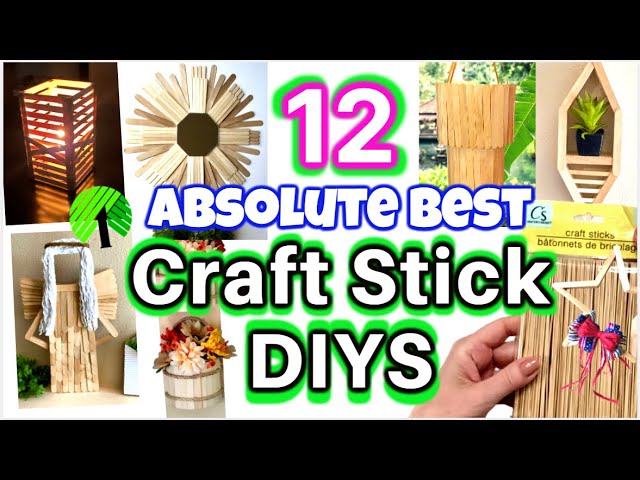
Arts and crafts sticks are versatile materials offering endless creative possibilities for both children and adults. Their affordability and readily available nature make them an ideal medium for a wide range of projects. From simple constructions to intricate designs, these sticks provide a tactile and engaging crafting experience, fostering creativity and fine motor skill development. This article explores various projects and techniques utilizing these readily accessible materials, highlighting their unique potential in arts and crafts.
Arts and crafts sticks, often made from wood or even recycled materials, are remarkably adaptable. Their lightweight nature allows for easy manipulation and construction of various three-dimensional forms. The natural variations in size and shape of individual sticks add an organic element to projects, often inspiring unique design choices. The smooth, easily manipulated surface allows for effortless application of paint, glue, and other decorative materials. This adaptability is key to their widespread use in crafting.
The inherent simplicity of arts and crafts sticks allows for easy experimentation and customization. They lend themselves well to both structured and unstructured creative pursuits, making them ideal for both guided craft sessions and independent exploration. Their affordability means that mistakes are less costly, encouraging risk-taking and experimentation crucial for developing creativity. The wide availability ensures easy access for projects at home or in educational settings.
Arts and Crafts Sticks Projects and Guidelines
This section details various creative projects achievable using arts and crafts sticks, offering step-by-step guidelines for each. The projects range in complexity and estimated time commitment, allowing for adaptable crafting experiences depending on skill level and time availability.
Simple Stick Animals (Estimated Time
This project involves creating simple animal shapes by gluing arts and crafts sticks together. It’s an excellent introductory project for younger children, fostering creativity and hand-eye coordination.
- Gather arts and crafts sticks of varying lengths.
- Arrange sticks to form the desired animal shape.
- Use craft glue to secure the sticks together.
- Add decorative elements like paint, googly eyes, and felt.
- Allow the glue to dry completely.
Stick Mobiles (Estimated Time
This project involves creating hanging mobiles using arts and crafts sticks and other decorative materials. This activity promotes creativity and understanding of balance and design.
- Cut arts and crafts sticks into various lengths.
- Arrange sticks in a balanced mobile design.
- Glue the sticks together at the desired points of intersection.
- Attach decorative elements such as beads, ribbons, or small toys.
- Hang the completed mobile from a ceiling or hook.
Stick Picture Frames (Estimated Time
This project involves creating picture frames using arts and crafts sticks, adding a personalized touch to cherished photos.
- Arrange sticks to form a rectangular or square shape.
- Glue the sticks together to create the frame’s structure.
- Add decorative elements such as paint, glitter, or small embellishments.
- Allow the glue to dry completely.
- Insert a photo or picture into the frame.
The versatility of arts and crafts sticks extends beyond simple projects; their adaptability makes them suitable for more intricate and complex designs. The potential for creative exploration is almost limitless, encouraging both structured and freestyle crafting sessions.
The ease of use and inexpensive nature of these sticks makes them an accessible and sustainable crafting material, perfect for both individual and group projects. The tactile experience of working with these materials can be particularly beneficial for sensory development in children.
Tips for Using Arts and Crafts Sticks
These tips provide guidance for maximizing the potential of arts and crafts sticks in your crafting endeavors.
Proper preparation and planning are essential to ensure a successful project. Careful consideration of design, material selection, and execution significantly influence the outcome of the endeavor.
-
Pre-treating Sticks:
Sanding the sticks before use can create a smoother surface for painting and gluing. This helps ensure a more professional-looking finish and prevents splintering. Consider using a sealant after painting to enhance durability.
-
Creative Glue Application:
Use a strong adhesive suitable for wood and allow ample drying time. Employ a technique that distributes glue evenly for optimal adhesion. Applying glue sparingly is also crucial for preventing excess seepage.
-
Exploring Different Adhesives:
Experiment with various glues, such as wood glue, hot glue, or even strong craft glue, to find what works best for different projects and stick types. Consider factors like drying time and strength of bond.
-
Variety in Stick Selection:
Use different sizes and shapes of sticks to add visual interest and texture to your creations. This variety encourages creative problem-solving and unexpected design opportunities.
-
Incorporating Other Materials:
Don’t limit yourself to just sticks! Experiment with incorporating other craft supplies such as paint, glitter, yarn, beads, and more to enhance your designs.
Careful consideration of design and appropriate materials significantly impacts the quality of the final product. Understanding various techniques and the properties of different glues ensures a smoother and more efficient crafting process.
The simple act of planning and preparing materials is crucial for a successful project. Thinking ahead and anticipating potential challenges allows for a more enjoyable and less frustrating experience.
Frequently Asked Questions about Arts and Crafts Sticks
This section addresses common queries regarding the use and applications of arts and crafts sticks.
Where can I find arts and crafts sticks?
Arts and crafts sticks are readily available at most craft stores, online retailers, and even some dollar stores. They are also often found at educational supply stores. Consider exploring local sources and comparing prices for the best value.
What types of glue work best with arts and crafts sticks?
Wood glue and strong craft glues are generally the best options for adhering arts and crafts sticks. Hot glue can also be used, but requires careful handling. Always test a small area first to ensure compatibility and prevent damage.
Are arts and crafts sticks safe for children?
Generally, yes, but adult supervision is always recommended, especially for younger children. Ensure that the sticks are smooth and free of splinters. Also, use non-toxic paints and glues.
The simple act of exploring different materials and techniques opens up a world of creative possibilities. Experimentation is key to discovering unique applications and achieving aesthetically pleasing results.
The accessibility and versatility of arts and crafts sticks make them an ideal material for exploring creativity. Careful planning and preparation allow for a more enjoyable and successful crafting experience.
Key Aspects of Arts and Crafts Sticks
Understanding the diverse characteristics of arts and crafts sticks unlocks their full creative potential. Considering their versatility, affordability, and ease of use, the possibilities for artistic expression are vast.
Versatility
Arts and crafts sticks are adaptable to a wide range of projects. Their simple form can be transformed into complex designs through creative manipulation and the addition of other materials. From simple structures to intricate artwork, their potential is vast.
Affordability
The low cost of arts and crafts sticks makes them an accessible material for all. Their budget-friendly nature allows for experimentation and creative exploration without significant financial investment. This makes them ideal for large-scale projects or educational settings.
Durability
When properly glued and handled, projects made with arts and crafts sticks possess decent durability, meaning projects last longer and remain intact for extended periods. Proper preparation and finishing techniques further enhance their longevity.
Accessibility
The widespread availability of arts and crafts sticks ensures convenient access for diverse populations. They are easily sourced from numerous retailers, both online and in brick-and-mortar stores, making them readily available for various projects.
Sustainability
Often sourced from sustainable or recycled wood, they present a relatively environmentally friendly option compared to some crafting materials. This is an attractive feature for those seeking sustainable and responsible craft choices.
The key to unlocking the full potential of arts and crafts sticks lies in understanding their versatile nature and embracing their simplicity. Through thoughtful design and careful execution, these readily available materials can be transformed into truly remarkable creations.
Arts and crafts sticks offer a unique combination of affordability, accessibility, and versatility, making them an excellent choice for various creative endeavors. The tactile nature of working with these materials contributes to a satisfying crafting experience.
In conclusion, arts and crafts sticks provide a simple yet powerful medium for artistic expression, fostering creativity and skill development across a wide range of ages and abilities. Their potential is only limited by imagination.
Youtube Video: