Alina Schneider
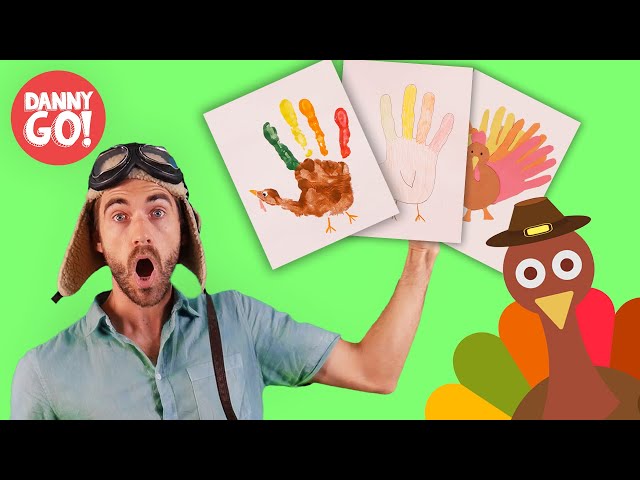
Turkey hand print craft offers a delightful and engaging way for children to express their creativity. These simple yet effective projects are perfect for classrooms, home-based activities, or even festive occasions. The inherent simplicity of using handprints allows for a wide variety of interpretations and designs, fostering imaginative exploration. The tactile nature of the activity itself engages multiple senses, promoting fine motor skill development. This article explores diverse examples of turkey hand print craft, providing step-by-step guidance for each project.
Turkey hand print craft projects are remarkably versatile. The basic handprint provides a foundation upon which numerous interpretations of turkeys can be built. This allows for differentiation, catering to various skill levels and age groups. The accessibility of materials typically requiring only paint, paper, and basic craft supplies makes this a cost-effective activity. This accessibility further broadens its reach, making it suitable for various settings and budgets. The resulting artwork provides lasting memories and a tangible record of the childs creative process.
The enduring appeal of handprint crafts lies in their direct connection to the child’s personal expression. Each handprint is unique, representing the individual’s participation and creative journey. The ease of execution encourages experimentation, boosting confidence and a sense of accomplishment. The visual results are invariably delightful, adding a personal touch to any display or gift. The tactile engagement further enhances the overall learning experience, offering a multi-sensory approach to art and craft.
Turkey Hand Print Craft Project Examples and Guidelines
The following section details a range of turkey hand print craft projects, providing detailed, step-by-step instructions for each. Each project is designed to be easily adaptable to different skill levels and available materials. The estimated completion time for each project is also provided as a helpful guide. Remember to always supervise young children during craft activities.
Simple Turkey Handprint
This classic turkey handprint craft is quick and easy, perfect for younger children. Estimated time: 15-20 minutes.
- Trace the child’s hand onto brown construction paper.
- Cut out the handprint.
- Glue the handprint onto a larger piece of construction paper.
- Add colorful feathers (cut from construction paper or use real feathers) to the back of the handprint.
- Draw a simple head and beak.
- Add details like eyes and wattle.
Turkey Handprint with Added Details
This project adds more complexity and detail to the classic design, suitable for older children. Estimated time: 30-45 minutes.
- Trace and cut out multiple handprints in various shades of brown.
- Layer the handprints to create a textured turkey body.
- Add patterned feathers using various craft materials.
- Create a detailed head and beak using felt or construction paper.
- Add small details like eyes and wattle with markers.
- Consider adding a decorative background.
3D Turkey Handprint
This project creates a three-dimensional effect, adding a unique tactile element to the craft. Estimated time: 45-60 minutes.
- Trace and cut out several handprints in various colors.
- Fold each handprint in half, forming a feather shape.
- Glue the feathers around a central brown handprint, forming a fan-like tail.
- Create a separate head and beak from construction paper.
- Glue the head onto the body.
- Add finishing details like eyes, wattle, and a decorative stand.
The versatility of handprint techniques allows for endless variations and interpretations. The process itself is as important as the final product, offering a valuable learning experience for children of all ages and abilities. The inherent simplicity makes it easily adaptable to various skill levels and available resources. This makes it an invaluable tool for educators and parents seeking creative activities.
The final creations are not only visually appealing but also serve as cherished mementos, capturing a snapshot of a childs growth and development. These projects are not only fun, but also offer opportunities for learning about shapes, colors, and fine motor skills. The lasting value lies in the process itself and the memories created.
Tips for Successful Turkey Hand Print Craft Projects
These tips are designed to enhance the overall experience and the quality of the final product, ensuring a smooth and enjoyable crafting session. Preparation is key to a successful craft activity, allowing for a focused and efficient experience. Proper material selection and organization will streamline the entire process.
Careful attention to detail and guidance will lead to more polished and satisfying results. Remember, the goal is to foster creativity and enjoyment, making the experience as rewarding as the final product itself.
-
Use high-quality materials:
Opt for vibrant paints and durable construction paper for long-lasting results. Using quality materials ensures vibrant colors that wont fade easily. Stronger paper ensures that the finished product is sturdy and durable, able to withstand handling and display.
-
Prepare your workspace:
Cover your work surface with newspaper or a drop cloth to protect it from paint spills. Having a dedicated and well-organized workspace helps minimize distractions and makes the creative process more efficient. This also reduces clean-up time considerably.
-
Guide children’s hand placement:
Assist younger children with placing their hands correctly for accurate handprints. Gentle guidance helps ensure the prints are even and properly positioned on the paper, creating more visually appealing results. It also increases the childs confidence in their ability to complete the task independently.
-
Let the paint dry completely:
Allow ample drying time to prevent smudging or smearing. Proper drying time prevents unintentional smearing and discoloration, ensuring the final result is crisp and clean. This allows for better adhesion of other craft elements.
-
Encourage creativity and individuality:
Allow children to express their creativity without imposing strict guidelines. Giving children freedom of expression allows them to feel ownership of their work, fostering their self-esteem and confidence. Encourage them to experiment with different colors and designs.
The success of any handprint craft project hinges on careful preparation and guidance. The activity should always be approached with an emphasis on fun and creative exploration. Remember, the process is as important, if not more so, than the final outcome.
The joy and satisfaction derived from creating these handmade turkeys are immeasurable. These projects are a testament to the power of simple, hands-on activities in fostering creativity and self-expression.
Frequently Asked Questions about Turkey Hand Print Craft
This section addresses common questions and concerns regarding turkey hand print craft projects. Understanding the nuances of the process and potential challenges can enhance the overall experience. The information provided aims to offer clarity and practical solutions to any uncertainties.
-
What type of paint is best for turkey handprints?
Tempera paint or washable finger paints are excellent choices for handprint projects. Tempera paints offer vibrant colors and are relatively easy to clean up. Washable finger paints are specifically designed for young children and are non-toxic and easily washable, ensuring a safe and enjoyable craft experience. Both options are widely available and cost-effective.
-
How can I preserve my turkey handprint craft?
Once dry, you can laminate the finished artwork to protect it from damage. Laminating adds durability and longevity to the finished piece. Alternatively, you can display it in a protective sleeve or frame it under glass for long-term preservation and showcasing. These measures protect the artwork from wear and tear, allowing it to be enjoyed for years to come.
-
What if my child makes a mistake?
Mistakes are opportunities for learning and creative problem-solving! If a child makes a mistake, consider incorporating it into the design rather than starting over. Transforming a mistake into a design element fosters creativity and problem-solving skills. This teaches resilience and that imperfections can add character and charm to a piece of art.
Addressing common concerns proactively enhances the likelihood of a successful and enjoyable craft experience. The goal is to create a positive and engaging experience, encouraging creative exploration and personal expression.
Remember that the process of creating these crafts is just as valuable as the final product itself. Embrace the imperfections and encourage children to celebrate their individuality and creativity.
Key Aspects of Turkey Hand Print Craft
Understanding the key aspects of turkey hand print craft allows for a more informed and successful approach to the activity. These aspects encompass the materials used, the techniques involved, and the developmental benefits. This knowledge makes the process smoother and results in a more rewarding experience.
Materials
The selection of materials plays a significant role in the overall quality and outcome of the project. High-quality materials such as vibrant paints, durable paper, and sturdy embellishments ensure a longer-lasting and visually appealing final product. The choice of materials should align with the age and skill level of the child.
Techniques
The various techniques employed in these projects, including handprint application, feather creation, and assembling the final artwork, contribute to the overall visual appeal and complexity of the design. Mastering these techniques enhances the final outcome and improves the child’s fine motor skills. Learning different techniques fosters creativity and problem-solving skills.
Development
These crafts significantly contribute to a childs development by fostering creativity, enhancing fine motor skills, and promoting hand-eye coordination. The tactile nature of the activity itself engages multiple senses, and the creative process builds self-confidence and a sense of accomplishment. The final result provides a tangible record of the childs effort and creative exploration.
Creativity
The projects encourage imaginative exploration and self-expression, allowing children to personalize their artwork and showcase their unique creativity. Children are encouraged to experiment with different color palettes, design elements, and embellishments, resulting in unique and personalized artwork. This approach builds confidence and fosters self-expression.
A deeper understanding of these key aspects enhances both the creative process and the learning experience, resulting in a more rewarding and successful outcome.
The process of creating these crafts fosters important skills and contributes significantly to a child’s development. The emphasis on creativity and self-expression promotes a positive and enriching experience.
Turkey handprint crafts provide a simple yet effective means of engaging children in creative activities. The accessibility and adaptability of these projects make them suitable for a wide range of settings and skill levels. The resultant artwork serves as a cherished memento, capturing a snapshot of a childs artistic journey.
In conclusion, engaging in turkey hand print craft offers numerous benefits, from fostering creativity and fine motor skills to providing a fun and engaging activity for children of all ages. The simplicity of the process, combined with its versatility, makes it a valuable tool for educators and parents alike.
Youtube Video: